4 min read
Continuous testing strategy and a centralized research repository
A product team at Deutsche Telekom was testing regularly and had no shared repository for research insights. Through workshops, a structured tool evaluation, and a purpose-built repository in Condens, a continuous testing practice was proposed that makes research findings accessible.

Project overview
Tests were run on a weekly basis, but insights landed in documents nobody revisited, and the broader team had no reliable way to access what had been learned. Without a shared strategy or a central place for findings, each study started from scratch and ended the same way.
A continuous testing strategy was developed. A thorough evaluation of research repository tools led to the selection of Condens as a centralized and structured research repository, accessible by the whole company. A structure for the repository was proposed, including a tagging taxonomy, study templates, and an initial structure ready to grow with the team from day one.
- UX Researcher
- Product Owner
What I worked on
- Stakeholder workshops were planned and facilitated to define a continuous testing strategy covering research methods, cadences, team roles, and handoff processes.
- Multiple research repository platforms were evaluated in a structured comparison, assessing each against the team's specific requirements, use case, and workflow constraints.
- The research repository was set up in Condens, including a tagging taxonomy, study templates, and an initial structure ready to grow with the team from day one.
My approach
Defining the strategy
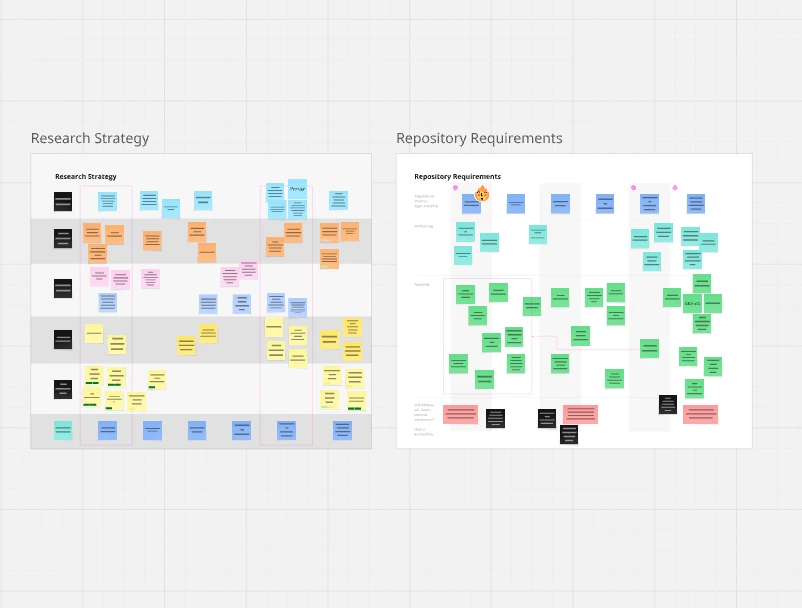
The project started by getting the stakeholders into the same room to map out what was actually happening with research and where it was breaking down. Structured workshops with the UX researcher and product owner brought the gaps into focus: tests that never got repeated, findings that went nowhere, and no shared understanding of what continuous research should even look like for this team. The output was a documented strategy covering methods and responsibilities.
Evaluating research repository tools
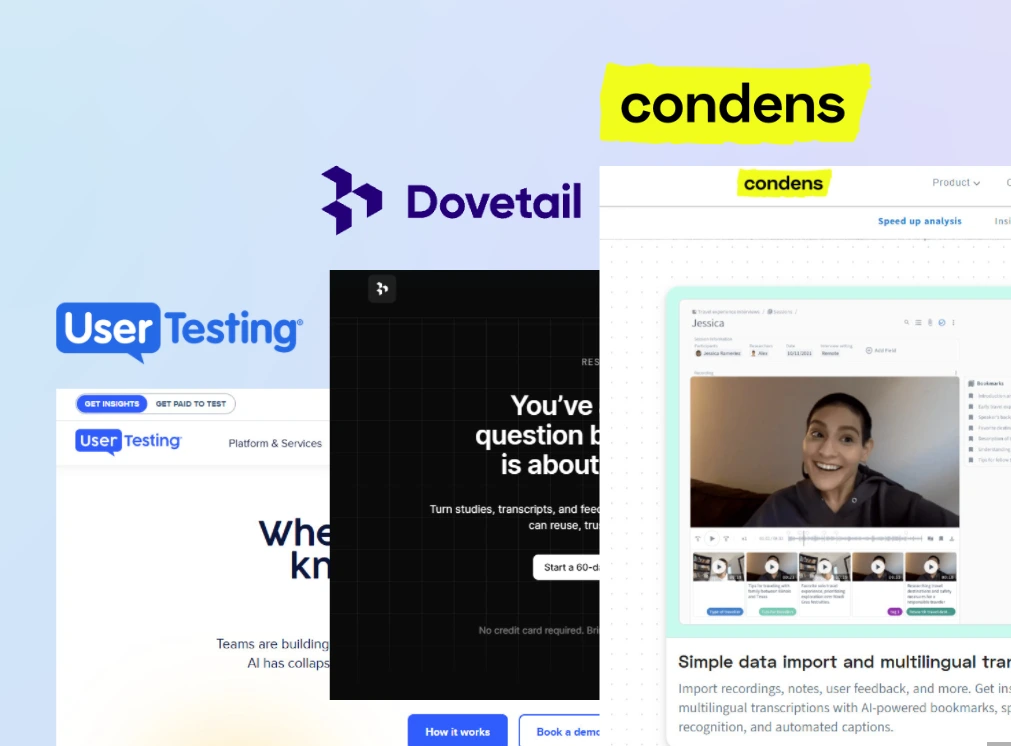
Before committing to a platform, the available options were put through a structured evaluation. Each tool was assessed against criteria drawn directly from the team's situation: how easy it is to add and retrieve insights, how well it supports tagging and filtering by theme or product area, how it fits into existing workflows, and whether its cost is justifiable for the team's scale.
Repository structure in Condens
Condens met the requirements the best. A taxonomy was established and templates were configured for the recurring study types the testing strategy had defined. The new structure was proposed to the stakeholders and served as basis for further development.

The Impact

Research insights can be permanently documented and used across projects.

All stakeholders can independently browse and filter findings without relying on knowledge transfer from the research team.

The Condens structure was built to accommodate a growing volume of research without requiring rework as the team and its output expand.
Are you interested in collaborating?
Let's connect and explore how great design can make your product more engaging.